Practical writing for teachers and school leaders on teaching AI through play, curiosity and real-world examples — and on putting it into a timetable, a computer lab and a parent newsletter so it holds up. Most posts have quick checks built in: try them as you read.
How we borrowed from language apps, the real-world examples that make students lean forward, and what to do with their mistakes.
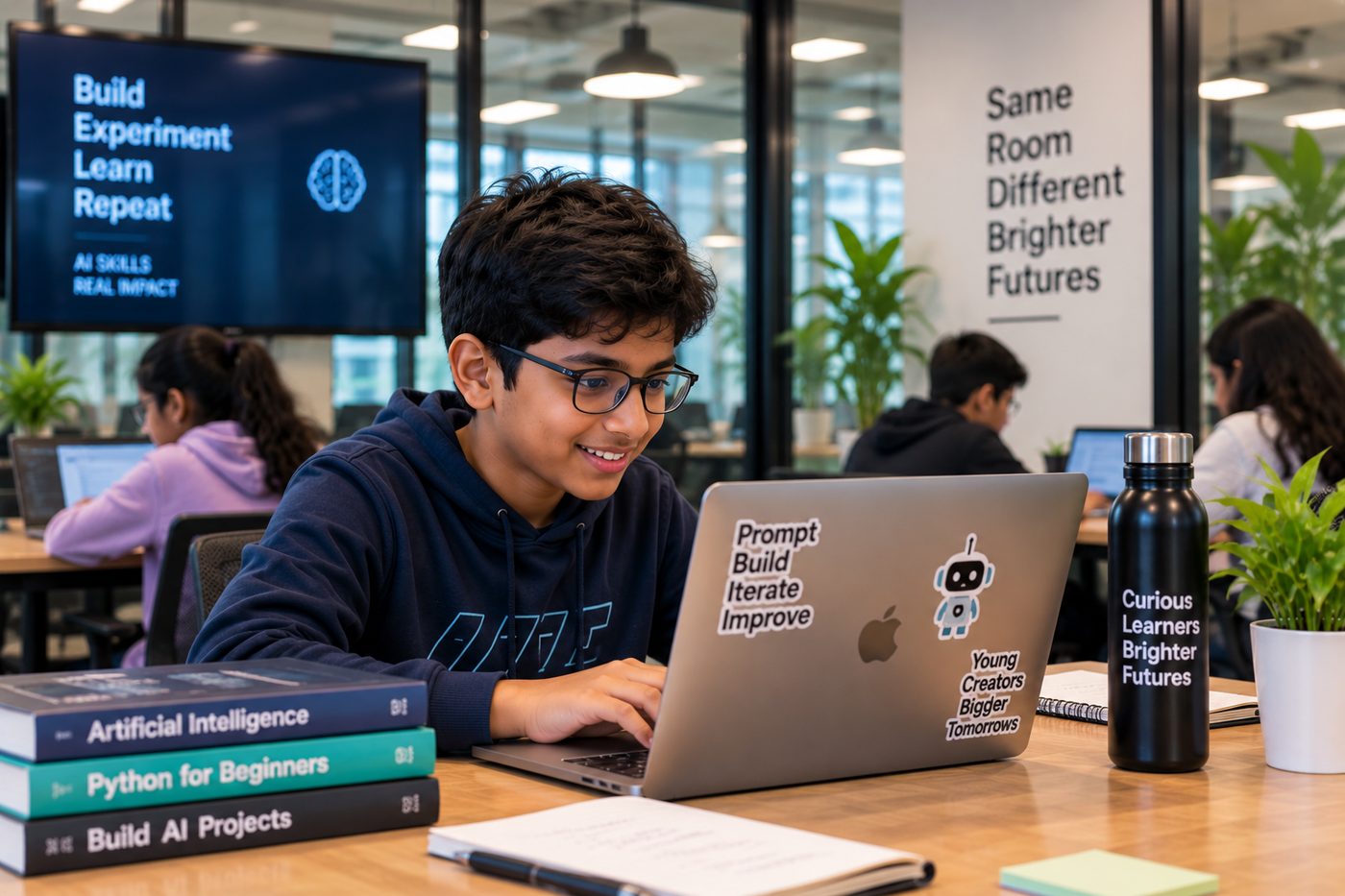
Millions of people open a language app every day without anyone making them. Most students forget a textbook AI chapter within a week of the test. The difference isn't the cartoon owl. It's five design decisions that any school AI program can borrow.
Read the post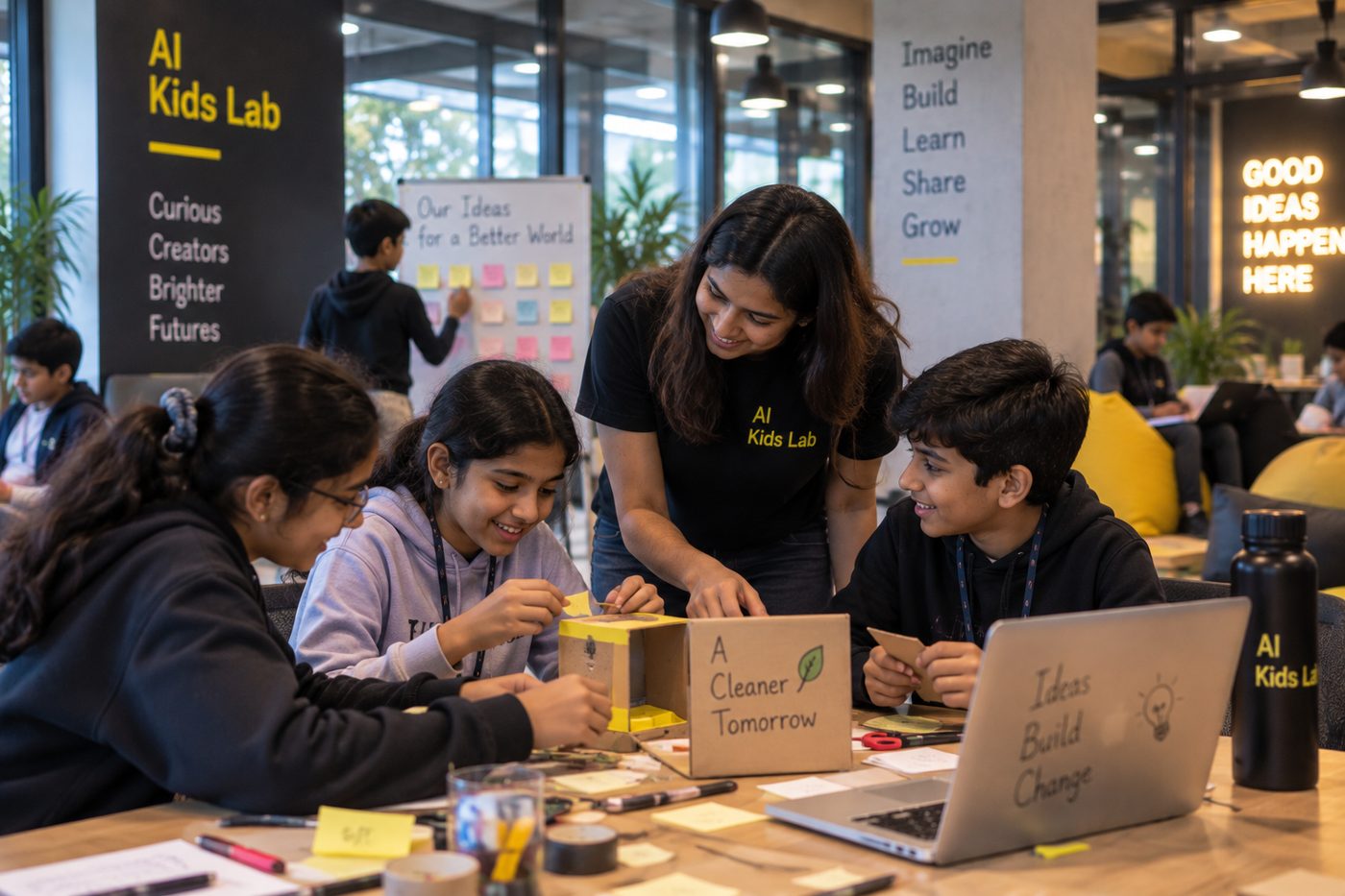
"AI is a branch of computer science that…" has never made a thirteen-year-old lean forward. A toll-plaza camera has. Here are twelve examples from ordinary Indian life, the question that opens each one, and the twist that makes students think.
Read the post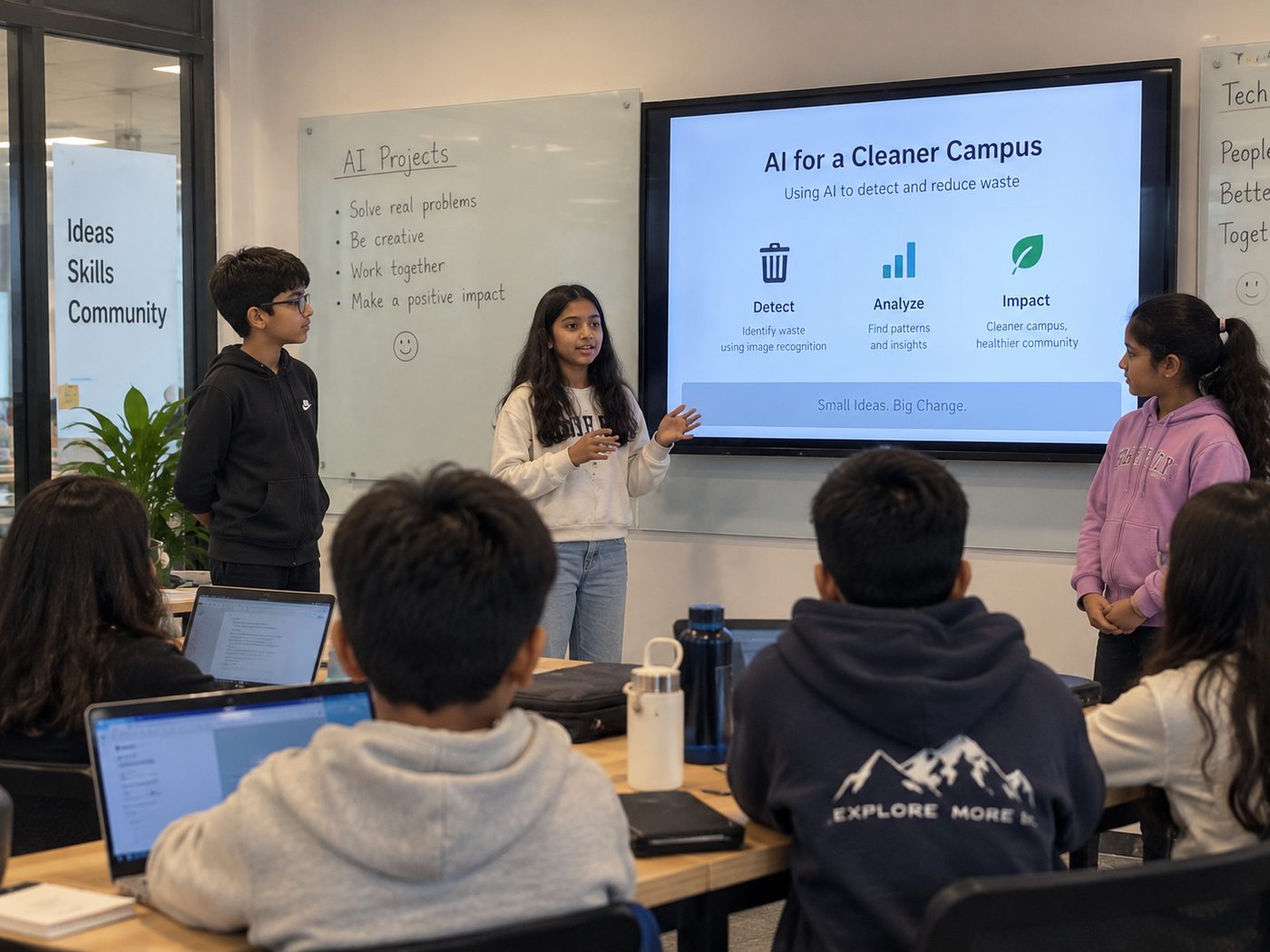
Wrong answers aren't random. Each one points at a specific misunderstanding, and the same seven come up in almost every classroom. Name them, and you can fix them — and make sure they stay fixed.
Read the post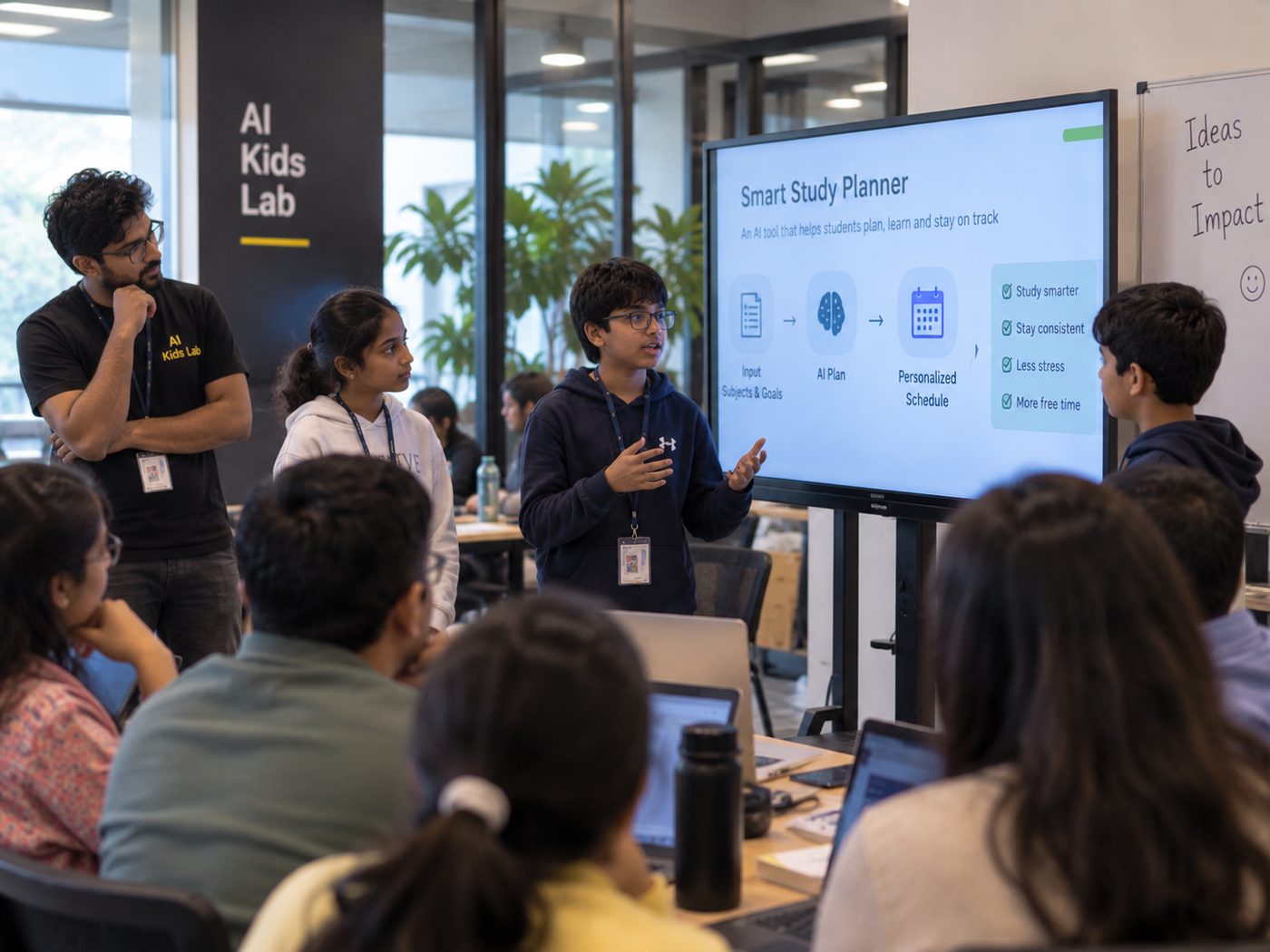
You don't need a new syllabus to make AI the period students look forward to. You need a different order: question before answer, play before vocabulary, mistakes before marks.
Read the post
Every major board has added AI to the syllabus. The line in the syllabus is the easy part. Here is what delivering it actually takes, and a twenty-minute audit of what your school has now.
Read the post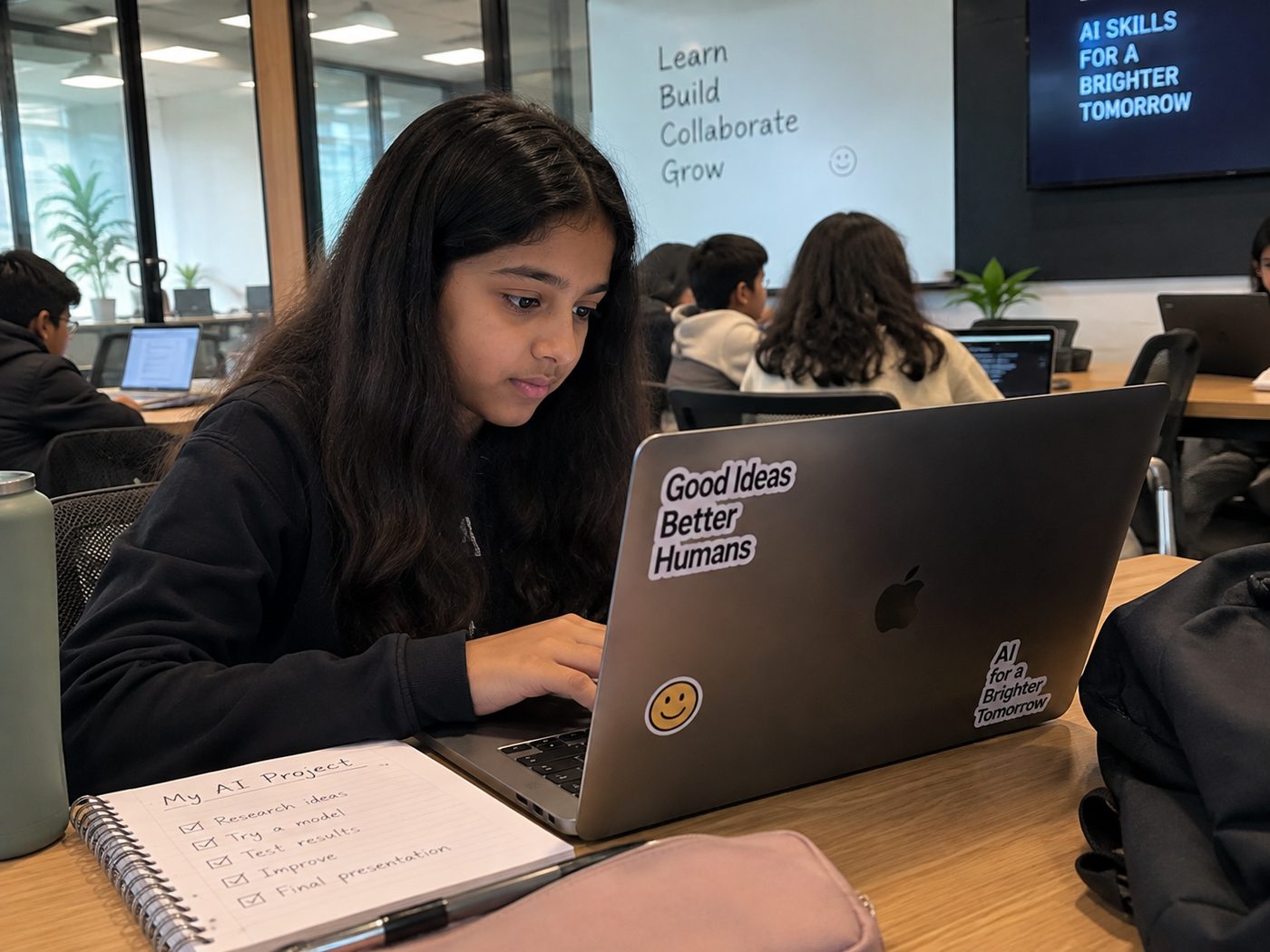
Pick a template, connect an AI service, add some buttons. It feels productive, it demos beautifully, and it teaches almost nothing about AI. Here is the reverse order, and why it works.
Read the post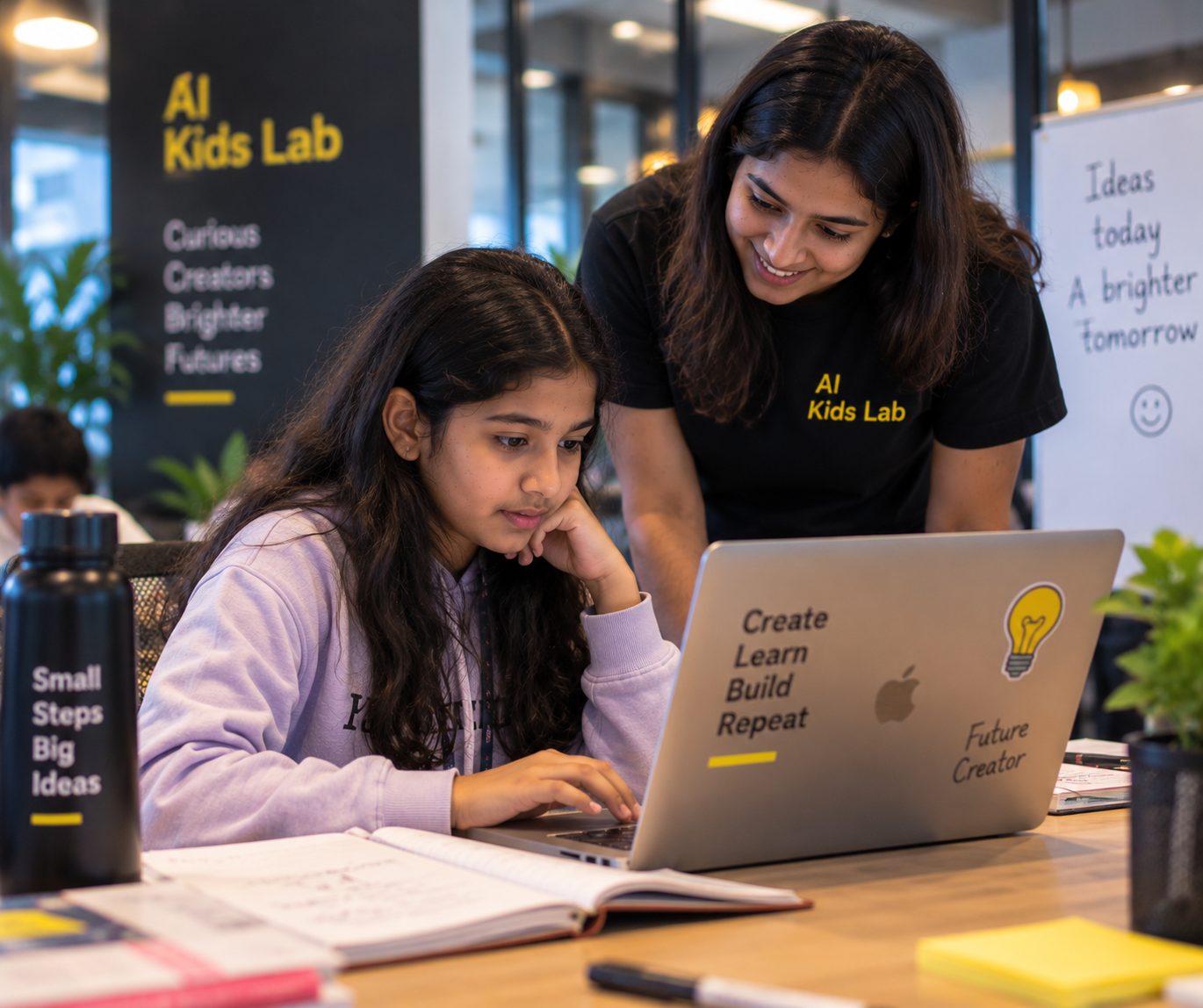
Most AI tools want an email, an age gate and a login. Here is how a school delivers AI to four hundred students without handing any of them a consumer account, and what still needs a written policy.
Read the post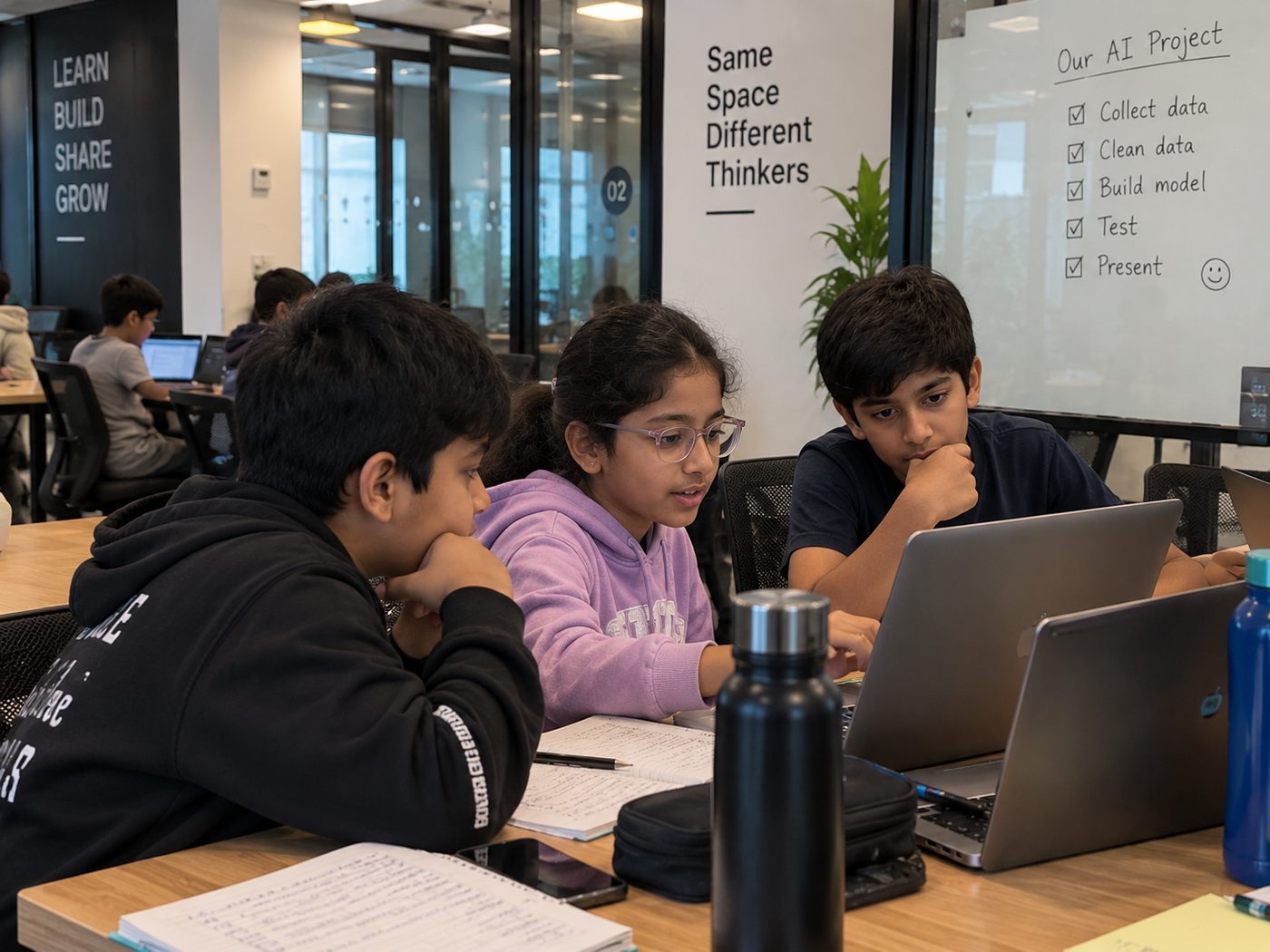
The most common failure in school AI programs is one deck taught three times. What actually changes between twelve and fifteen, and how the syllabus should change with it.
Read the post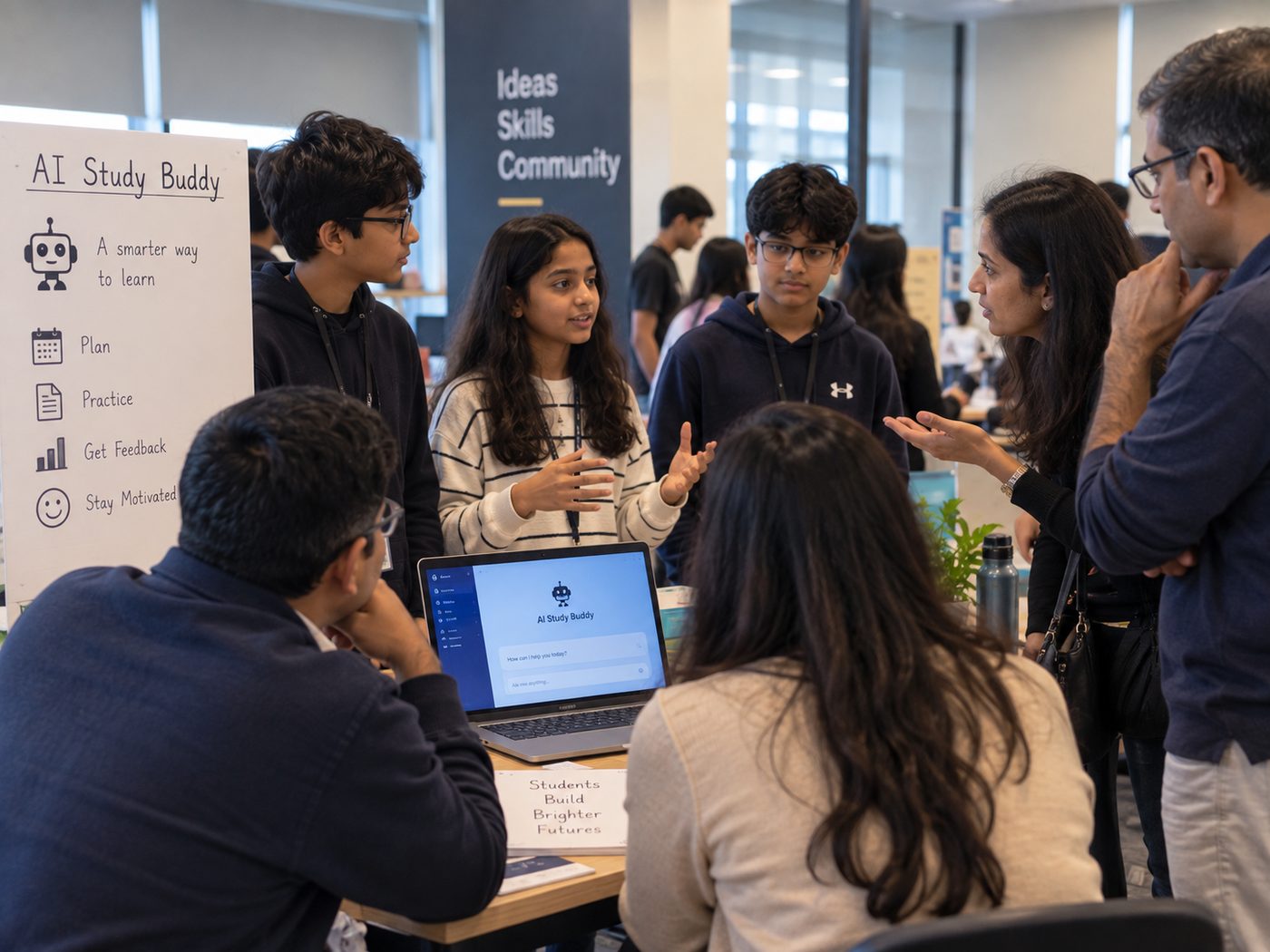
One day, every grade building, judges from industry, and an awards ceremony parents attend. What to plan, in what order, and the rubric that keeps judging honest.
Read the post
INAIO, Technovation Girls, Imagine Cup Junior, the ATL Marathon. What each one rewards, which students to enter, and what judges are actually looking for.
Read the postSend one message and we'll reply with the curriculum guide and the program plan, then walk your leadership team through the actual lessons. Or play a free lesson first — no sign-up.
Message us on WhatsAppPrefer a calendar invite? Book a 30-minute call.